By Trisha Atwood
Choosing where to live is not just about the house. It is about how you want your days to function. Buyers relocating to the DFW area or reconsidering where they’d like to live have a genuine range of options, and each one comes with real trade-offs worth understanding before you commit.
Key Takeaways
-
Learn the concrete trade-offs between urban, suburban, and rural living so you can match your daily priorities to the right setting.
-
Find out what buyers in the DFW area most frequently underestimate when choosing between these three environments.
-
Discover what makes Southlake a different category of suburban living compared to most other suburbs in North Texas.
-
Understand how commute patterns, space requirements, and lifestyle access should drive your decision.
Urban Living in DFW: What It Delivers and What It Costs
Living in Dallas or Fort Worth puts you close to work, restaurants, entertainment, and cultural institutions. For buyers whose lives are structured around access and proximity, urban living solves real problems.
Why Urban Living Does Not Work for Every Buyer
-
Lot sizes are small or nonexistent. Buyers who want outdoor space, a pool, or room for a guest house are working against the grain of urban inventory.
-
Noise and density are part of the package. Shared walls, street traffic, and close neighbors are not negotiable in most urban settings.
-
Cost per square foot is high. In desirable Dallas neighborhoods, buyers regularly pay a premium to get less interior space than comparable suburban homes offer.
-
Storage, parking, and outdoor entertaining space are afterthoughts in most urban construction.
Urban living works well for buyers who prioritize location above everything else and have no immediate need for space to grow. For buyers with families, dogs, or plans to stay in one place for more than a few years, those trade-offs accumulate.
Rural Living in North Texas: Space With Real Limitations
Rural properties in the broader North Texas region give buyers land, privacy, and genuine separation from the density of the metroplex. For buyers with horses, agricultural use cases, or a firm preference for quiet, rural properties deliver things no suburb can replicate.
Where Rural Living Creates Friction in Practice
-
Commute times are significant. A rural property 45 to 60 minutes from DFW International Airport or a major employment center changes how much of your day you spend in a car.
-
Everyday services require planning. Groceries, medical care, and dining are not convenient from most rural addresses in North Texas.
-
Infrastructure gaps are common. Internet speeds, utility reliability, and road quality vary considerably once you move outside developed corridors.
-
Resale pools are narrower. Rural properties draw fewer buyers, which matters when market conditions shift and you need to sell.
Rural living is the right answer for a specific buyer with a specific use case. For buyers who want space and privacy but still need to operate efficiently within the metroplex, it’s important to consider location.
Suburban Living in Southlake: Why This Market Is a Different Conversation
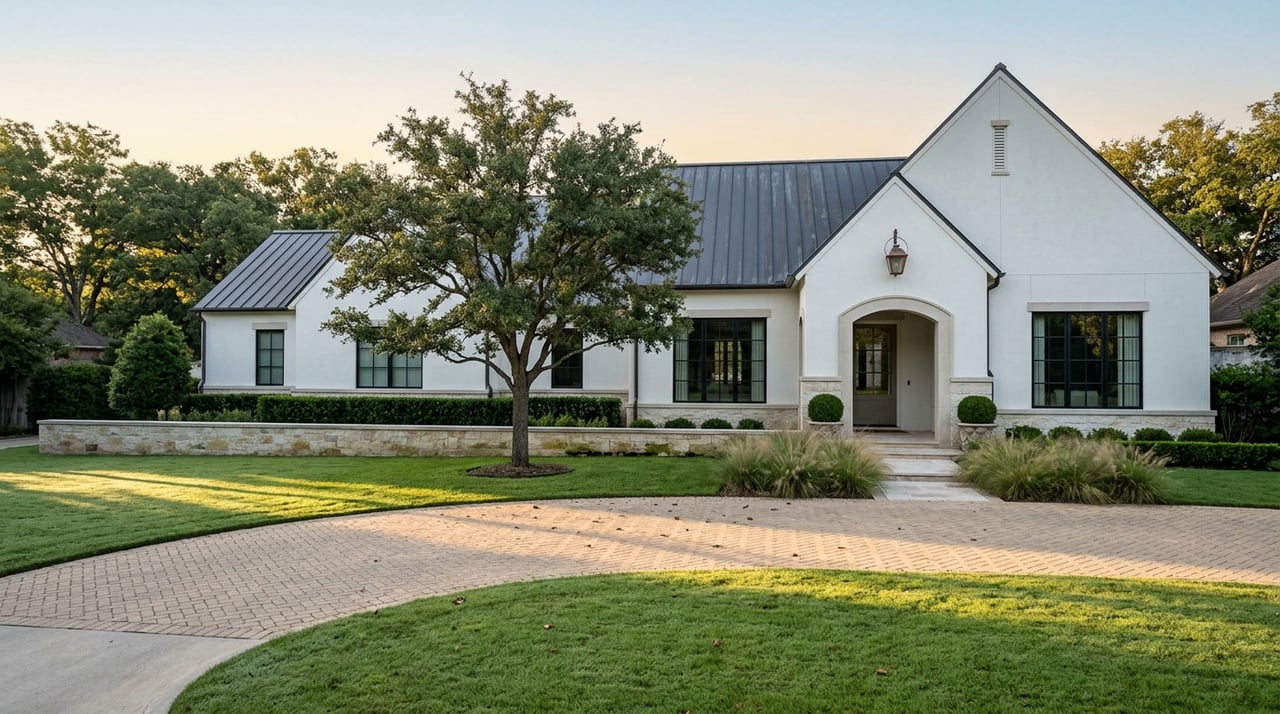
Southlake sits 30 minutes from Fort Worth and close to DFW International Airport, and it has access to SH 114, which makes commutes to both Dallas and Fort Worth workable. But its position in the urban vs suburban vs rural living debate is not mainly about geography.
What Southlake Offers That the Other Two Settings Cannot
-
Neighborhoods like Carillon offer lot sizes that give buyers genuine outdoor space without the infrastructure gaps of rural living.
-
Southlake Town Square is within a short drive of nearly every neighborhood in the city, with dining options like Truluck's and Perry's, retail, and events including Art in the Square and Oktoberfest throughout the year.
-
Bob Jones Nature Center and Preserve covers 700 acres of protected land and trails, giving residents access to nature that does not require leaving the community.
-
Bicentennial Park and the city's trail network support active daily routines without the planning that outdoor access requires from a rural address.
-
Home values in Southlake reflect consistent and durable demand. Buyers here are not just purchasing a property; they are buying into a market with a strong track record.
Southlake draws buyers who have often lived in urban and rural settings and decided that a well-executed suburb answers more of their actual needs. The inventory here supports that decision across a wide range of price points and property types.
Frequently Asked Questions
Is Southlake considered urban or suburban?
Southlake is suburban, with a town center in Southlake Town Square that gives it more walkable amenity access than most suburbs its size. I describe it to buyers as high-end suburban living with genuine urban convenience built in.
Can I find larger lots in Southlake if I want more land?
Yes. Neighborhoods like Shady Oaks and Clariden Ranch include properties on an acre or more. I can walk you through which areas give you the space you are looking for while keeping you connected to the rest of the city.
How does commuting from Southlake compare to living in Dallas?
Southlake's access to SH 114 makes Dallas and Fort Worth both reachable, and DFW International Airport is minutes away. For buyers with hybrid or flexible schedules, the commute is rarely a dealbreaker.
Contact Trisha Atwood Today
I specialize in helping buyers
find the right fit in Southlake, which means understanding what each neighborhood offers before we start scheduling tours. The difference between neighborhoods isn’t simply price but lot size, community character, commute time, and quality of life.
Are you interested in exploring Southlake homes for sale?
Reach out to Trisha Atwood and let's discuss your real estate needs and goals.