Selling A Character Home In Grapevine
Thinking about selling a character home in Grapevine? You may have more to balance than a typical listing, from preservation rules and exterior approvals to pricing a home whose value goes far beyond square footage. The good news is that Grapevine already has a strong framework for recognizing architectural character, and that can work in your favor when you prepare and market your home well. Let’s dive in.
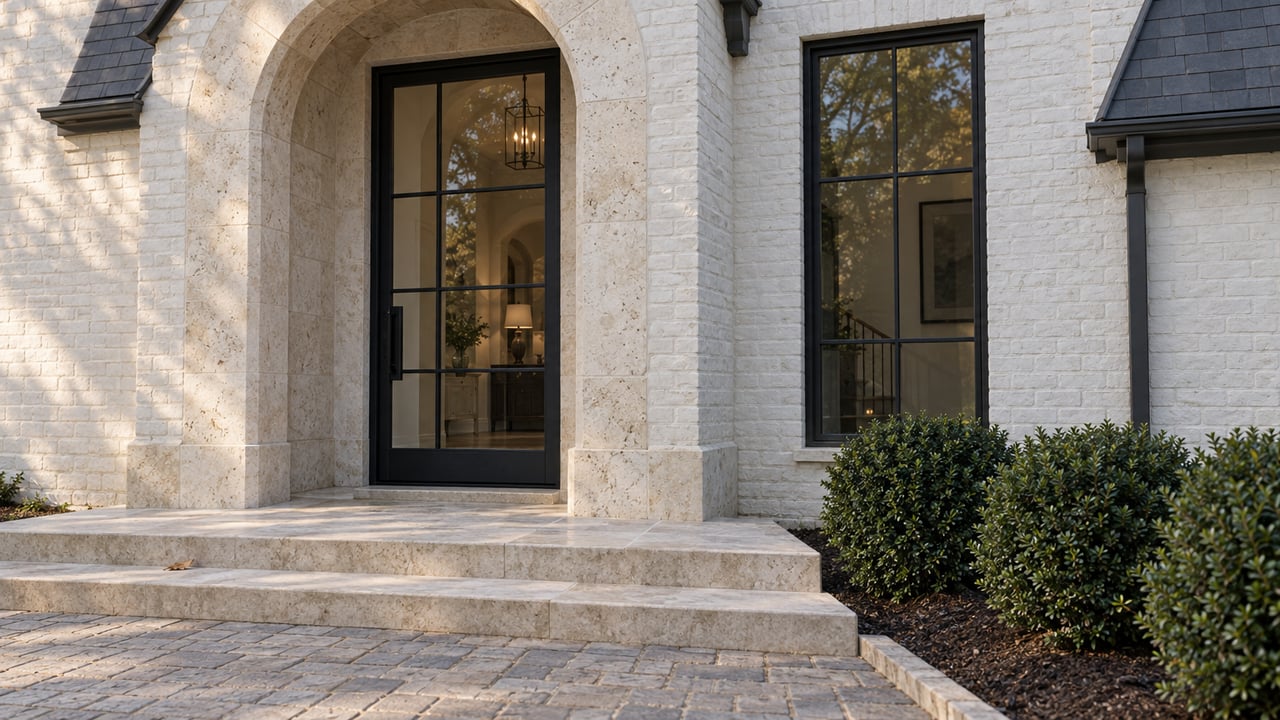
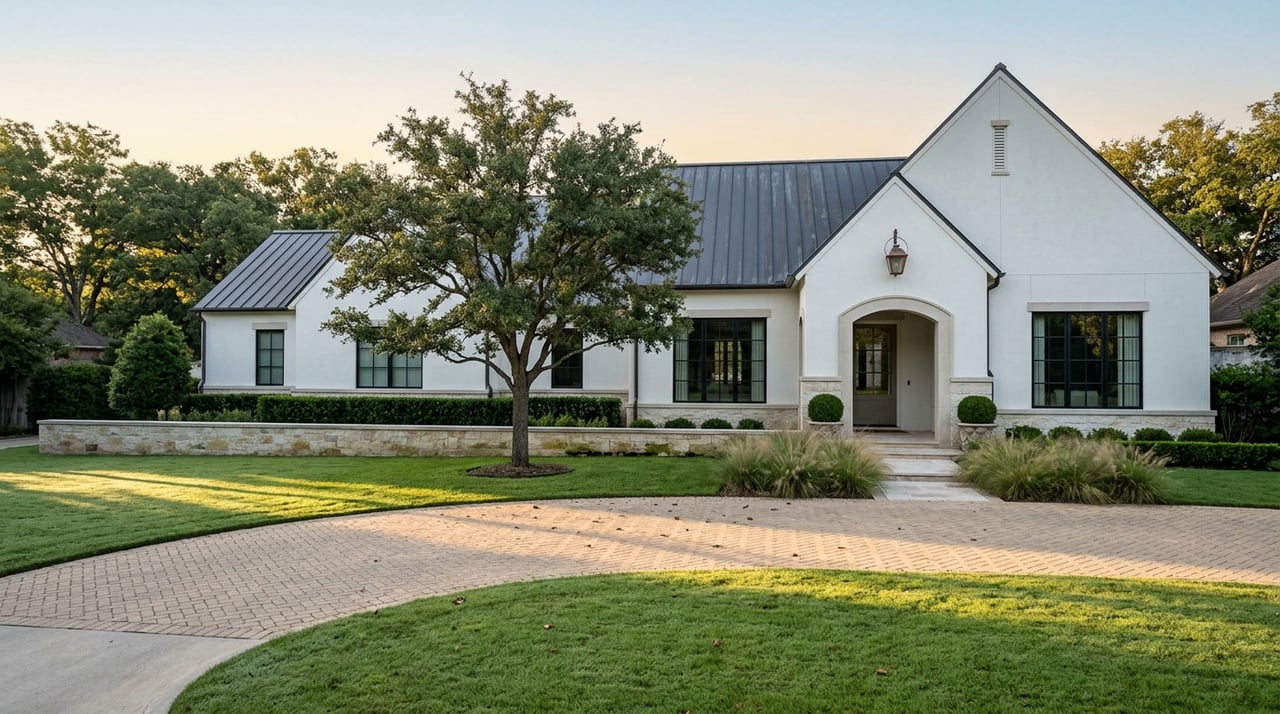
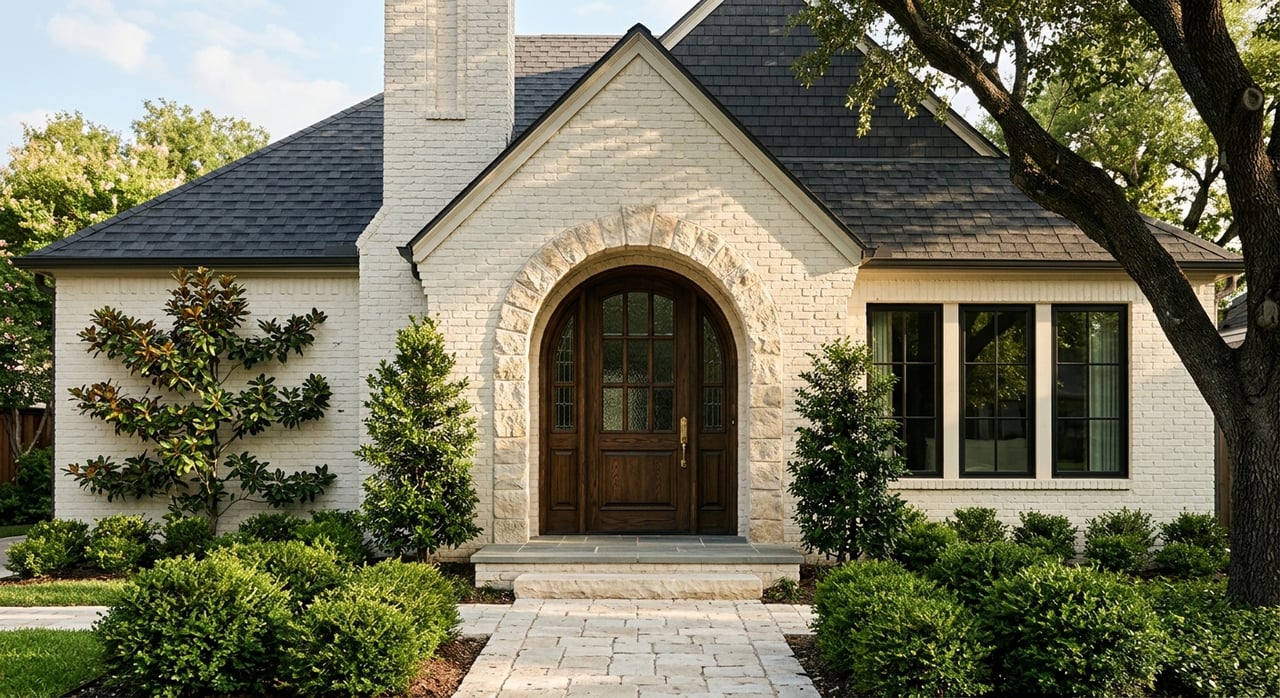
In Grapevine, “character” is not just a vague compliment. The city’s preservation and design guidance points to specific architectural and site features that help define a home’s identity. That includes things like roof form, exterior materials, porches, trim, doors, windows, setbacks, mature landscaping, and the way the home relates to the street.
Grapevine’s historic housing stock is also broad, which matters if you are trying to position your home correctly. The city identifies styles that include late-19th-century vernacular cottages, Queen Anne homes, Arts & Crafts-era homes and bungalows, minimal traditional cottages, and 1950s and 1960s ranch homes. In other words, a character home does not have to look grand or formal to be marketable.
Grapevine has a long-established preservation structure. The city adopted its Historic Preservation Ordinance in 1991 and recognizes the Historic Township District, multiple local historic districts, and individual landmarks. That creates a market where architectural identity is already part of the local conversation.
There is also a place-based story you can tell. City documents trace Grapevine’s roots back to the 1840s, with the township platted by 1854 and downtown evolving into a late-19th- and early-20th-century commercial core. For sellers, that means an older home can often be presented as part of Grapevine’s preservation culture, not simply as an older property.
Before you make updates or launch your listing, confirm whether your home is inside a local historic district or designated landmark area. This is one of the most important first steps because local designation can affect what exterior work requires approval.
It is also important to understand the difference between local historic designation and National Register listing. According to the city, the National Register is a separate program and does not by itself trigger exterior review unless historic tax incentives are involved. That distinction can help you avoid confusion as you plan your next steps.
If your home is in a local historic district or landmark area, exterior work generally requires a Certificate of Appropriateness before the work begins. The city says this can apply to paint colors, doors, windows, siding, light fixtures, landscaping, demolition, and new construction.
That matters if you are planning pre-listing touch-ups. A fast cosmetic update that would be routine elsewhere may need review in Grapevine, depending on the property and the scope of work. COA approval also does not replace a building permit, so it is smart to leave enough time for both.
The city requires completed applications four weeks before the meeting date for items that need Historic Preservation Commission review. Depending on the project, the application may need scaled drawings and material or color samples.
Some routine exterior modifications may be approved by staff within a few days, while larger projects go before the commission, which meets monthly. For Historic Township and landmark properties, a documented pre-construction meeting is also required before a building permit is issued.
When selling a character home in Grapevine, visible details matter. City guidance specifically highlights features such as porches, bay windows, chimneys, trim details, material texture, and the relationship of the home to the street and alley. These are not just design notes. They are the details that help a buyer feel the home’s identity.
That is especially relevant in a market where distinctive features appear to carry weight. In Grapevine listing data from spring 2026, corner lots, bay windows, and one-acre lots were among the higher-valued feature categories. That does not prove any one feature automatically raises value, but it does support the idea that site character and architectural details are worth emphasizing.
A character home should usually not be priced by square footage alone. In Grapevine, homes sold in about 24 days on average as of March 2026, with one offer on average, and Redfin reported a median sale price of $625,000. The spring 2026 median list price was reported at $635,000.
Those numbers suggest a relatively premium local market, especially compared with the Texas median sale price of $341,800 in March 2026. But even in a stronger market, a distinctive home needs careful pricing. Buyers may pay attention to preserved features, lot setting, architectural style, and how thoughtfully updates fit the original house.
When evaluating likely price position, it helps to compare your home against properties with similar:
This is one reason design-aware marketing and pricing can make a meaningful difference. A bungalow, cottage, or ranch with strong original details may compete very differently from a newer home with similar square footage.
Not every project will improve your sale outcome. With a Grapevine character home, the goal is usually to preserve or highlight what gives the home its personality while addressing obvious condition issues that could distract buyers.
Paint is a good example. Grapevine’s paint guidelines say exterior colors should accentuate the architecture, and the city provides approved preservation palettes. The city also notes that original stone or masonry generally should not be painted unless there is a strong preservation reason.
Before listing, focus on updates that support the home’s character and reduce buyer hesitation:
If your home has additions or later improvements, think about how they read from the street. Grapevine’s design guidance says additions should fit in massing, size, scale, setback, façade organization, and roof form. Buyers often respond well when updates feel intentional and compatible rather than forced.
Landscape is part of the value story for a Grapevine character home. The city’s design guidance treats mature plantings and street trees as part of a property’s character, and Grapevine’s Tree Preservation Ordinance regulates tree removal and replacement during development or redevelopment.
For sellers, that means your front-yard setting can be more than curb appeal. Mature shade trees, established planting beds, and the way the home sits on the lot may help reinforce the identity buyers are looking for in a distinctive property.
A strong marketing story for a Grapevine character home usually combines style, condition, and place. Instead of relying on broad phrases like “full of charm,” it is more effective to describe the home in specific, visual terms.
If the architectural style is known, name it. Point out preserved features such as porches, bay windows, wood trim, masonry, rooflines, or original windows. If updates or additions were completed in a way that respects the original form, that is worth explaining too.
The listing should help buyers quickly answer a few practical questions:
That kind of storytelling can attract buyers who appreciate craftsmanship, location, and architectural identity, not just bedroom count.
If your property is in the original Township, you may have access to city support before listing. Grapevine says the Grapevine Township Revitalization Project offers free architectural design assistance and a matching-grant program for exterior revitalization.
According to the city, owner-occupied homes may qualify for up to $10,000 on a 2-to-1 match basis, and residential rental homes may qualify for up to $5,000 on a 1-to-1 match basis. If your exterior needs work and your property qualifies, this may be worth exploring early in your planning process.
Selling a character home often calls for a more thoughtful approach than selling a standard property. You need pricing that reflects style and setting, preparation that respects local rules, and marketing that shows buyers why the home is special in ways they can see and understand.
That is where local market knowledge and design fluency become especially valuable. When you can present craftsmanship, compatible updates, and architectural detail with clarity, you give buyers a stronger reason to connect with the home and a better framework for understanding its value.
If you are preparing to sell a character home in Grapevine, a clear plan can help you make confident decisions from the start. For thoughtful pricing, polished presentation, and guidance shaped by design and local market insight, connect with Trisha Atwood.
Stay up to date on the latest real estate trends.
Building a Backyard That Actually Works for North Texas Weather.

What a $500 Document Can Reveal About a $500,000 Purchase.

The Neutral Party Making Sure Your Sale Actually Closes Cleanly.

Understanding Your Rights and What to Check Before You Buy.